

Salkantay Pass
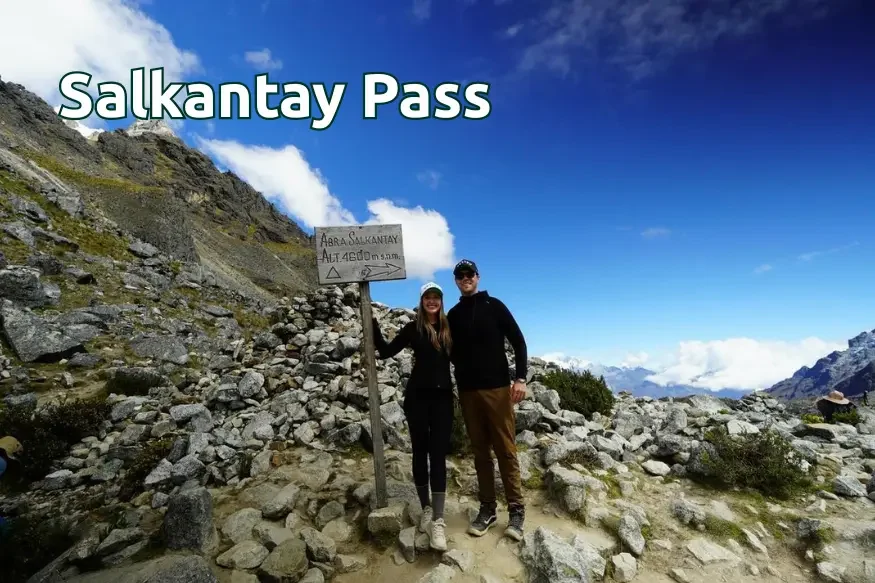
Table of Contents
- What Is the Salkantay Pass?
- Where is Salkantay Pass Located?
- Altitude of Salkantay Pass
- Weather
- How Difficult is Salkantay Pass?
- Trail Conditions
- What to Expect When Crossing Salkantay Pass
- How to Prepare for Salkantay Pass
- Altitude Sickness Risks at Salkantay Pass
- Best Time to Cross Salkantay Pass
- Photography Tips at Salkantay Pass
- What to Bring for Salkantay Pass (Packing List)
- Is Salkantay Pass Safe?
- Why Salkantay Pass Is a Highlight of the Trek
- Frequently Asked Questions About Salkantay Pass
If you’re planning the Salkantay Trek to Machu Picchu, there’s one place you’ll hear about again and again: Salkantay Pass. This high-altitude mountain pass also known locally as Abra Salkantay is the most challenging and breathtaking section of the entire route. Standing at an impressive 4,630 meters (15,190 ft) above sea level, it is the point where trekkers push their limits, witness the raw power of the Andes, and experience what many describe as the highlight of their entire Machu Picchu journey.
This in-depth guide walks you through everything you need to know about Salkantay Pass: weather, altitude, trail conditions, difficulty, safety tips, acclimatization, what to bring, when to go, and what to expect on summit day.
What Is the Salkantay Pass?
Salkantay Pass is the highest point of the classic Salkantay Trek, sitting between two majestic Andean peaks Salkantay (6,271 m) and Humantay (5,473 m). The pass connects the high-altitude alpine zone with the lush cloud forest that leads toward Machu Picchu.
Crossing this pass feels like entering another world:
The air becomes thinner and colder.
The landscape turns rocky, snowy, and dramatic.
The silence of the mountains surrounds you.
You feel the ancient Andean energy that locals associate with Apu Salkantay, one of the most sacred mountains in Inca mythology.
For many travelers, reaching Salkantay Pass is a personal challenge and a deeply spiritual experience.
Where is Salkantay Pass Located?
Salkantay Pass is located in the Vilcabamba Mountain Range in the Cusco region of Peru, southwest of Machu Picchu. The pass lies along the traditional Salkantay Trail, approximately 2 – 3 hours uphill from the Salkantay Pampa campsite or the newer Soraypampa Sky Camp area.
Its coordinates fall within the Salkantay Route, which is officially part of the alternative network of trails leading to Machu Picchu.
Altitude of Salkantay Pass
Altitude: 4,630 m (15,190 ft)
Oxygen levels: About 60% compared to sea level
Temperature range:
Daytime: 0°C to 8°C (32°F to 46°F)
Nighttime: -5°C to -10°C (14°F to 23°F), especially in the dry season
Wind chill: Can make it feel much colder at the summit
This altitude makes the pass one of the toughest points on any trek in Peru and requires proper acclimatization and preparation.
Weather
Understanding the weather at Salkantay Pass is crucial for a safe and comfortable experience. Conditions change rapidly and can vary dramatically from one hour to the next.
Dry Season (May to September)
This is the best time to cross Salkantay Pass:
Clear blue skies
Less mud and slippery terrain
Possibility of snow at the summit
Cold nights around –5°C
Dry season is perfect for photography and for enjoying sweeping panoramic views of the glaciers.
Wet Season (November to March)
Expect:
Rain, especially in January–February
Fog and clouds limiting visibility
Snowfall at the top
Muddy and more difficult trails
However, landscapes are lush and green, and there are fewer hikers on the route.
Shoulder Months (April and October)
These are balanced months with mild temperatures and relatively stable weather, making them ideal for trekking with lower crowds.
How Difficult is Salkantay Pass?
Crossing Salkantay Pass is considered challenging, mainly due to:
High altitude
Steep incline
Cold and windy conditions
Oxygen deprivation
4–6 hours of continuous uphill hiking
Trek Difficulty Breakdown
| Section | Difficulty | Description |
|---|---|---|
| Soraypampa → Salkantay Pass | Hard | 7–8 km of steep, rocky ascents at altitude |
| At the pass | Moderate | Flat but extremely windy and cold |
| Descent to Huayracmachay | Hard | Steep, slippery in wet season, long downhill |
Most trekkers agree that summit day is the toughest but also the most rewarding.
Trail Conditions
The trail leading to the pass varies depending on the weather and season:
During Dry Season
Rocky, dusty terrain
Occasional snow patches
Excellent visibility
Stable paths
During the Rainy Season
Muddy, slippery trails
Snow or sleet near the summit
Potential for water crossings
Lower visibility due to fog and clouds
Despite its challenges, the trail remains well-traveled and safe with a good guide team.
What to Expect When Crossing Salkantay Pass
Here’s a realistic overview of what your summit morning will look like:
Early Morning Start
Most groups begin hiking between 4:30 AM and 5:00 AM to avoid strong winds and to reach the pass before midday.
Gradual Ascent
The first hour is moderate, with scenic views of the Humantay and Salkantay glaciers.
The Steepest Section
The final 60–90 minutes are tough:
Rocky switchbacks
Higher exposure to cold wind
Thin air
Slow, consistent pacing is essential.
The Summit Moment
At the top, you’ll see:
Towering glaciers
Turquoise glacial melt rivers
Massive rock formations
Sacred offering sites (apachetas)
Incredible panoramic views
Most trekkers spend 15–25 minutes here before beginning the descent.
Long Downhill Section
The descent to Huayracmachay takes 2–3 hours and requires caution due to loose rocks.
How to Prepare for Salkantay Pass
Preparation is the key to enjoying the experience safely and comfortably.
1. Acclimatize Properly
Spend 2–3 days in Cusco beforehand. You can also visit:
Humantay Lake
Rainbow Mountain
Cusco city tours
These activities help your body adjust to altitude.
2. Train Your Legs and Cardiovascular System
Recommended training includes:
Hiking or long walks
Stair climbing
Light running
Strength training for legs and core
3. Bring Proper Gear
You’ll need:
Thermal layers
Waterproof jacket
Gloves and warm hat
Trekking poles
Good hiking boots
Camelbak/water bottles (minimum 2 liters)
4. Eat Light and Stay Hydrated
Before starting the ascent:
Eat a nutritious breakfast
Avoid heavy meals
Drink coca tea
Stay hydrated throughout the day
5. Go Slow and Steady
Avoid rushing—slow pacing prevents altitude sickness.
Altitude Sickness Risks at Salkantay Pass
Because the pass is at 4,630 meters, symptoms are common:
Headache
Nausea
Loss of appetite
Shortness of breath
Dizziness
How to Reduce the Risks
Spend days acclimatizing in Cusco
Drink coca tea or chew coca leaves
Walk slowly
Drink plenty of water
Use Diamox (only if recommended by a doctor)
Avoid alcohol at least 48 hours before trekking
Guides on the route are trained to assist trekkers who develop symptoms.
Best Time to Cross Salkantay Pass
Best Overall Months: May, June, July, August, September
Dry, clear weather—not too slippery.
Good Shoulder Months: April and October
Less crowded, mild conditions.
Most Challenging Months: January and February
Heavy rain, mud, possible trail delays, cloud cover.
However, the Salkantay Pass is open year-round, and experienced crews manage the trail safely even in the rainy season.
Photography Tips at Salkantay Pass
Go early for stronger sunlight.
Use gloves that allow easy phone use.
Capture both glacier peaks (Salkantay + Humantay).
Get shots of the snow valley behind the summit.
Use wide-angle lenses for landscapes.
The lighting is best between 7:00 AM and 10:00 AM.
What to Bring for Salkantay Pass (Packing List)
Clothing
Thermal base layers
Fleece or down jacket
Waterproof jacket
Lightweight trekking pants
Warm hat + buff
Waterproof gloves
Hiking boots with ankle support
Gear
Trekking poles
Backpack (20–30 L)
Reusable water bottles
Sunscreen (high UV)
Sunglasses
Headlamp
Snacks: chocolate, nuts, energy bars
Other
Coca leaves
Rain poncho
Personal first-aid kit
Lip balm
Camera or phone with extra battery power
Is Salkantay Pass Safe?
Yes—Salkantay Pass is safe when you:
Trek with an experienced company
Follow your guide’s instructions
Wear appropriate clothing
Are acclimatized
Respect weather conditions
The trail is remote but well-established, with daily hikers year-round.
Why Salkantay Pass Is a Highlight of the Trek
Trekkers consistently describe crossing Salkantay Pass as:
The moment they felt strongest
The most scenic section
A deeply spiritual experience
A unique panorama of glaciers and sacred mountains
The combination of challenge + beauty makes it unforgettable.
Frequently Asked Questions About Salkantay Pass
How long does it take to reach Salkantay Pass?
Around 3–4 hours from Soraypampa depending on your pace.
Can anyone cross the pass?
Yes, but good physical condition and acclimatization are recommended.
Do you need a guide?
It is highly advisable. Weather can change quickly, and altitude can be risky.
Are horses allowed to carry bags?
Yes—horses help transport equipment, but you cannot ride them to the summit.
Is there snow on the pass?
Sometimes—especially from June to August or during unexpected storms.
What is the descent like?
A steep downhill section toward Huayracmachay, lasting about 2–3 hours.
What is the highest point of the Salkantay Trek?
The Salkantay Pass at 4,630 m.