

Sacsayhuamán Cusco – Complete Guide to the Inca Fortress
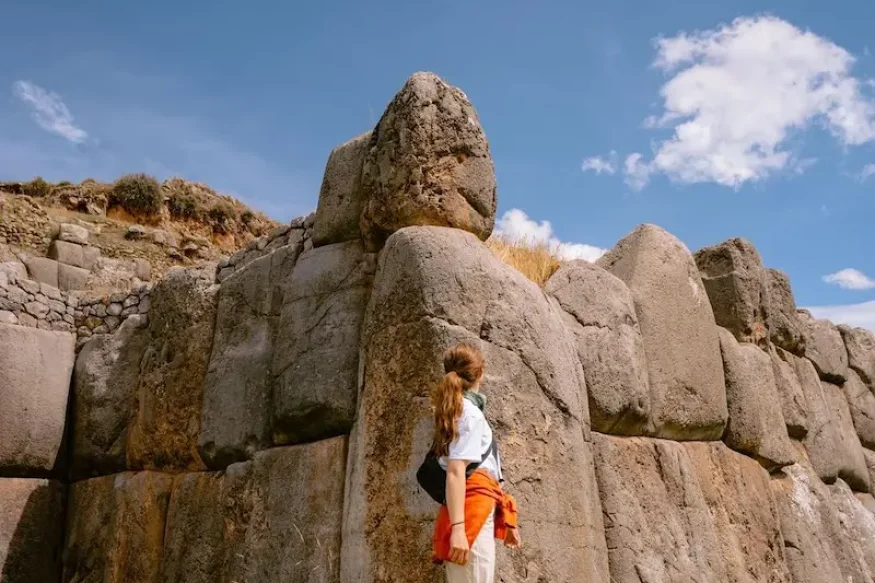
The archaeological site of Sacsayhuamán Cusco is one of the greatest masterpieces of Inca architecture. Known for its colossal stone walls, precise construction, and strategic location overlooking Cusco, Sacsayhuamán is not only an archaeological treasure but also a place full of history, legends, and spirituality.
Visiting Sacsayhuamán Cusco is an unmissable experience. Whether you are fascinated by Inca engineering, military history, or cultural traditions such as Inti Raymi, this site will leave you amazed. In this guide, we will explore everything about Sacsayhuamán: its meaning, history, architecture, how to visit, tours, nearby hotels, restaurants, and essential travel tips.
The Meaning of Sacsayhuamán
The name Sacsayhuamán comes from Quechua words:
“Sacsay” = to satiate, to satisfy
“Huamán” = hawk
So, the most common translation is “satisfied hawk” or “place where the hawk is satiated.” Hawks were sacred animals in Inca culture, associated with vision, strength, and the upper world (Hanan Pacha).
History of Sacsayhuamán Cusco
Inca Period
Sacsayhuamán was built in the 15th century during the reign of Pachacutec and later expanded by his successors. It served as a ceremonial and military complex.
Its walls, built with massive stones weighing up to 120 tons, reflect the Incas’ extraordinary engineering skills. The site also functioned as a fortress protecting Cusco, the capital of the Inca Empire, but it was also a place for religious ceremonies dedicated to Inti, the Sun God.
Spanish Conquest
In 1536, Sacsayhuamán was the stage of a decisive battle between Inca rebels, led by Manco Inca, and Spanish conquistadors. Despite its strength, the fortress was eventually taken by the Spanish. Afterward, many stones from Sacsayhuamán were dismantled and reused in the construction of colonial buildings in Cusco.
Present Day
Today, Sacsayhuamán is a UNESCO World Heritage Site and one of the most visited attractions in Peru. It is also the main stage for Inti Raymi (Festival of the Sun), celebrated every June 24, which reenacts Inca rituals with dances, music, and offerings.
Architecture of Sacsayhuamán Cusco
Megalithic Walls
The most striking feature of Sacsayhuamán is its three zigzagging walls, built with enormous boulders. The largest stones measure more than 8 meters in height and weigh over 100 tons, yet they fit together so precisely that not even a sheet of paper fits between them.
Terraces and Platforms
The walls form a series of three terraces, symbolizing the Inca worldview:
Hanan Pacha (upper world)
Kay Pacha (world of living beings)
Ukhu Pacha (underworld)
Towers and Temples
Originally, Sacsayhuamán had three towers: Muyucmarca, Paucarmarca, and Sallacmarca, used for defense, ceremonies, and possibly as observatories.
Symbolism
Many researchers believe Sacsayhuamán was designed in the shape of a puma, the sacred animal that represented strength and Cusco itself. The fortress would be the head of the puma, with the Main Square as its body.
Location of Sacsayhuamán Cusco
Distance from Cusco: 2 km from the Main Square
Altitude: 3,701 meters above sea level (12,142 ft)
Coordinates: North of the city, on a hill overlooking Cusco
Because of its proximity, it’s accessible by car, taxi, or even on foot.
How to Get to Sacsayhuamán
By Tour
The easiest option is to book a Cusco City Tour, which includes transport, guide, and entrance tickets.
On Foot
You can walk from Cusco’s Main Square in about 30–40 minutes, following steep streets that lead up to the fortress.
By Taxi
A taxi ride takes 10 minutes and costs about 15–20 soles from the city center.
Entrance to Sacsayhuamán Cusco
Access to Sacsayhuamán is through the Cusco Tourist Ticket (Boleto Turístico Cusco):
Partial Ticket (BTP): Approx. 70 soles. Includes Sacsayhuamán, Qenqo, Puka Pukara, and Tambomachay. Valid for 1 day.
General Ticket (BTI): Approx. 130 soles. Includes 16 sites in Cusco and Sacred Valley. Valid for 10 days.
Tickets cannot be purchased for Sacsayhuamán alone.
Things to Do and See in Sacsayhuamán
Walk Along the Megalithic Walls: Admire the enormous stones and marvel at the Inca construction techniques.
Explore the Esplanade: Large open areas used for ceremonies and festivals.
Viewpoints of Cusco: From the fortress, you get one of the best panoramic views of Cusco city.
Festival of Inti Raymi: On June 24, experience a reenactment of Inca rituals with music and dances.
Photography at Sunset: The walls glow beautifully in the evening light.
Tours to Sacsayhuamán Cusco
Half-Day City Tour
Includes Qoricancha, Cusco Cathedral (optional), Sacsayhuamán, Qenqo, Puka Pukara, and Tambomachay. Duration: 5–6 hours.
Full-Day Tours
Some tours combine Sacsayhuamán with Sacred Valley or other archaeological parks for a more complete experience.
Private Tours
Offer more flexibility, in-depth explanations, and time to explore.
Hotels Near Sacsayhuamán Cusco
Since Sacsayhuamán is very close to the city, staying in Cusco is the best option.
Luxury Hotels
Belmond Hotel Monasterio
JW Marriott El Convento Cusco
Palacio del Inka
Mid-Range Hotels
Casa Andina Premium Cusco
Novotel Cusco
Tierra Viva Cusco Centro
Budget-Friendly Options
Pariwana Hostel
Kokopelli Hostel
Hostal El Triunfo
Restaurants Near Sacsayhuamán
You won’t find restaurants directly inside the site, but nearby in Cusco’s historic center you can enjoy great options:
LIMO Cocina Nikkei – Peruvian-Japanese fusion
Chicha by Gastón Acurio – Gourmet Andean cuisine
Cicciolina – Tapas and modern Peruvian dishes
Tunupa Restaurant – Buffet with live music
Travel Tips for Visiting Sacsayhuamán Cusco
Altitude: At 3,701 m, you may feel altitude sickness. Spend 2–3 days acclimatizing in Cusco first.
Best Time to Visit: Dry season (May–October) for clear skies. Rainy season (November–April) offers green landscapes.
What to Bring: Comfortable shoes, water, sunscreen, hat, jacket, and camera.
Go Early or Late: To avoid crowds, visit early in the morning or in the late afternoon.
Hire a Guide: Local guides offer rich insights into history and legends.
Fun Facts about Sacsayhuamán Cusco
Some stones weigh more than 120 tons, yet were transported without wheels.
The zigzagging walls may symbolize lightning, a sacred element in Inca culture.
Sacsayhuamán is so massive that even today archaeologists cannot fully explain how it was built.
The fortress was declared a Cultural Heritage of Humanity by UNESCO in 1983.
Why Visit Sacsayhuamán Cusco?
Because it is the crown jewel of Inca military and ceremonial architecture. Its grandeur, engineering, and symbolism make it one of the most impressive archaeological sites in the world.
Visiting Sacsayhuamán Cusco means walking through history, feeling the power of the Incas, and enjoying unforgettable views of the city.
The fortress of Sacsayhuamán Cusco is much more than an archaeological site — it is a symbol of Inca power, spirituality, and engineering genius. Its colossal stone walls, panoramic views, and ceremonial esplanades make it one of the must-see destinations in Cusco.
Whether you come for the history, the architecture, or to experience Inti Raymi, visiting Sacsayhuamán is an essential part of understanding the heart of the Inca Empire.