

Lares Trek in January
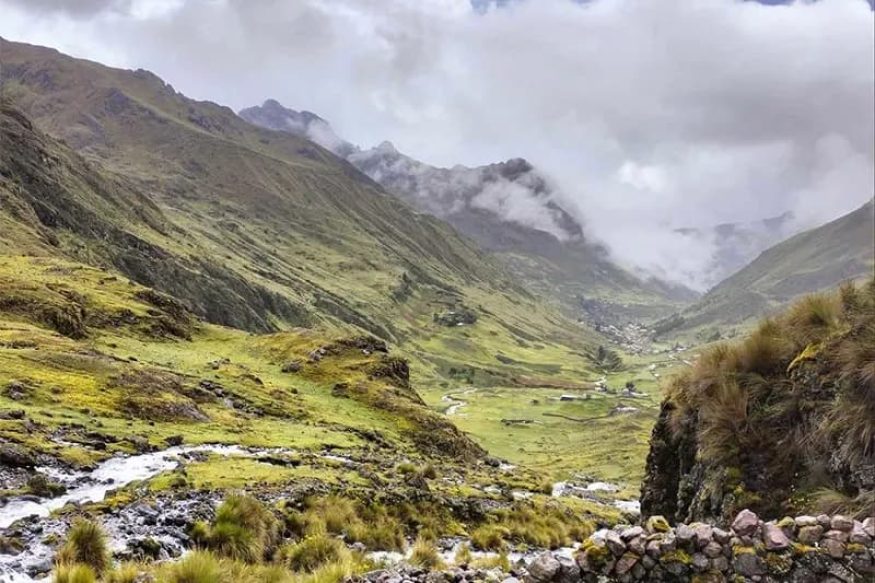
Hiking the Lares Trek in January
If you’re thinking about hiking the Lares Trek in January, this guide covers everything you need: weather, altitude, terrain, logistics, pros and cons, and what to expect day by day.
The Lares Trek is one of the best cultural and scenic alternatives to the Classic Inca Trail. It offers breathtaking Andean landscapes, local villages, natural hot springs, and fewer crowds — all while ending at or near Machu Picchu.
January, however, is part of the rainy season in Peru. That doesn’t mean you can’t do it — it simply means you need to be prepared for a different kind of adventure: greener, quieter, and a bit wetter.
Why Lares Trek in January?
Advantages
Fewer tourists: January is the middle of the rainy season, meaning you’ll find solitude on the trail.
Greener landscapes: Thanks to the rains, the mountains and valleys turn lush and colorful — perfect for photography.
Cultural immersion: With fewer groups, there’s more time to interact with local families and herders.
Flexible booking: The Lares Trek doesn’t have the strict permit limits of the Inca Trail, making it easier to schedule.
Challenges
Rainy conditions: Expect frequent showers, especially in the afternoon.
Muddy trails: Sections of the path may be slippery or flooded.
Cold nights: At high altitude, nighttime temperatures can drop to freezing.
Limited visibility: Clouds and mist may hide the highest peaks at times.
Weather and Trail Conditions in January
Rain and Humidity
January is one of the wettest months in the Andes. You’ll likely experience daily rainfall, although mornings are often clearer. Rain tends to fall in short, intense bursts, followed by calm periods. The humidity keeps the vegetation lush and the air fresh, but trails can become muddy.
Temperature
Temperatures vary depending on altitude:
Daytime: 15–20 °C (59–68 °F) in valleys.
Nighttime: 0–5 °C (32–41 °F) at higher camps.
High passes: May feel colder due to wind and elevation (above 4,200 m).
You’ll feel warm while hiking but cold as soon as you stop — so layering your clothing is essential.
Trail and Visibility
Expect trails to be wet, sometimes with small streams crossing the path. Visibility fluctuates; early mornings and late afternoons often offer dramatic light and mist. When the clouds break, the contrast between snow-capped peaks and green valleys is spectacular.
Pros and Cons of Doing the Lares Trek in January
| Pros | Cons |
|---|---|
| Fewer tourists and quieter trails | Frequent rain showers |
| Lush, green mountain scenery | Muddy and slippery paths |
| Rich cultural experience with local communities | Occasional fog or limited visibility |
| Flexible dates, no strict permits | Cold nights at high camps |
| Possible discounts or low-season prices | Transport delays due to weather |
Packing List for the Lares Trek in January
Clothing and Footwear
Waterproof jacket and pants
Breathable base layers and fleece
Down or synthetic insulated jacket
Waterproof hiking boots with good traction
Warm hat, gloves, scarf, and extra socks
Quick-drying shirts and trousers
Poncho or backpack rain cover
Camping & Equipment
Sleeping bag rated to at least –5 °C
Trekking poles (essential in muddy sections)
Headlamp with extra batteries
Dry bags or waterproof liners for electronics
Snacks, water bottle, and purification tablets
Health & Comfort
Altitude medicine or coca leaves
Sunscreen and sunglasses (UV is strong even when cloudy)
Insect repellent
Hand sanitizer and small towel
Preparation and Safety Tips
Acclimatize in Cusco for at least two days before starting.
Train moderately before your trip; you’ll be hiking 5–8 hours per day.
Hire an experienced operator familiar with wet-season routes.
Expect flexibility — itineraries may shift slightly due to rain or trail conditions.
Check your gear before departure; ensure your tent and sleeping bag are fully waterproof.
When Is the Best Time for the Lares Trek?
January is not the easiest but can be one of the most rewarding months. Here’s how it compares:
| Month | Weather | Crowds | Highlights |
|---|---|---|---|
| January – March | Rainy, green | Low | Quiet trails, lush valleys |
| April – May | Mild & clear | Medium | Best balance of weather and crowds |
| June – August | Dry, cold | High | Popular, stable weather |
| September – November | Mild & warming | Medium | Wildflowers, warmer nights |
| December | Increasing rain | Medium | Green start of wet season |
If you value solitude and authentic encounters over perfect weather, January might be your month.
Frequently Asked Questions
Is the Lares Trek open in January?
Yes. Unlike the Inca Trail, the Lares route remains open year-round.
How difficult is it?
Moderate to challenging due to altitude and weather. With good fitness and acclimatization, most people can complete it.
Will I still reach Machu Picchu?
Yes. Most itineraries include the train ride from Ollantaytambo to Aguas Calientes and a visit to Machu Picchu on the final day.
Can rain cancel the trek?
It’s rare for a trek to be cancelled completely, but heavy rain might delay transport or require small route adjustments.
What’s the best part of the Lares Trek in January?
The combination of quiet trails, cultural immersion, and stunning green landscapes few others get to see.
The Lares Trek in January is a journey for those who want authenticity, adventure, and connection with the Andes. Yes, it’s wetter, muddier, and more unpredictable — but it’s also peaceful, cultural, and breathtakingly beautiful.
You’ll walk among mist-covered peaks, share moments with local villagers, and soak in natural hot springs surrounded by emerald valleys. With the right preparation and mindset, this trek in January can be one of your most meaningful travel experiences in Peru.