

Inca Trail in November – Complete Guide to Hiking Towards Machu Picchu
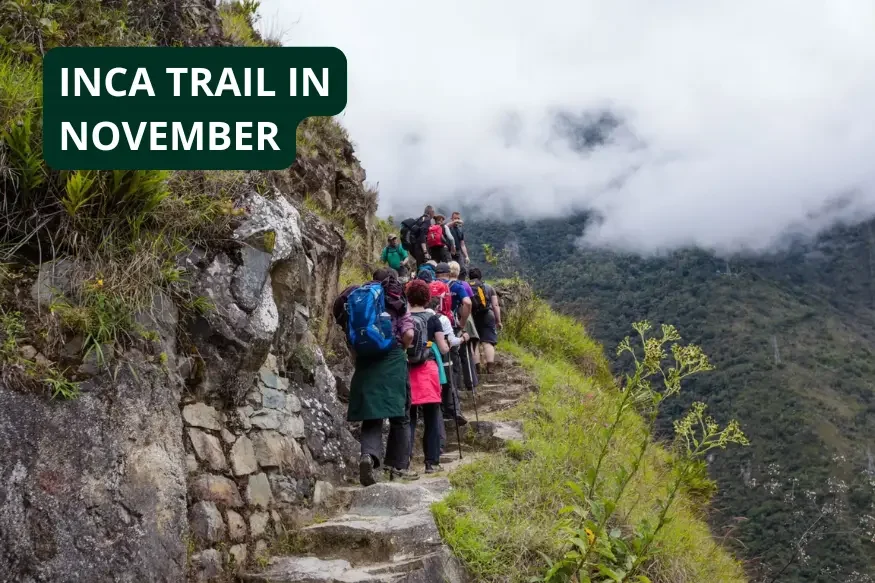
The Inca Trail in November is a unique trekking experience in the Peruvian Andes. November marks the beginning of the rainy season in Cusco, yet the trail remains open and offers a balance of lush landscapes, fewer crowds, and mystical weather conditions that create unforgettable moments on the way to Machu Picchu.
If you’re planning to hike the Inca Trail during this month, it’s important to understand the weather, availability, pros and cons, and how to prepare for the trek. In this comprehensive guide, we’ll cover everything you need to know about doing the Inca Trail in November.
Weather on the Inca Trail in November
November is the start of the rainy season in Cusco and the Sacred Valley. While October still offers drier days, November brings more humidity and frequent showers.
Rainfall: Expect light to moderate rain, especially in the afternoons. Some days may remain clear, but waterproof gear is essential.
Temperature (Day): Between 15°C and 20°C (59°F–68°F).
Temperature (Night): Between 5°C and 8°C (41°F–46°F).
Humidity: Much higher than in the dry season, which makes trails slippery.
Visibility: Clouds and mist can cover the mountains, but also create a mystical atmosphere.
✅ Verdict: The Inca Trail in November is wetter but still manageable with the right preparation.
Is November a Good Time to Hike the Inca Trail?
Yes, but it depends on what you’re looking for. November is considered a shoulder month — less crowded than the dry season, but wetter and more challenging than earlier months.
Advantages of Hiking in November
Fewer Crowds: Compared to June–August, November sees fewer trekkers, giving you a more peaceful experience.
Easier Permits: Permits are more available, often bookable only a few weeks or months in advance.
Greener Landscapes: Early rains bring life to the mountains, making the valleys lush and colorful.
Lower Prices: Some tour operators and hotels may offer discounts in November, as it’s considered low season.
Disadvantages of Hiking in November
Rain Showers: Expect to get wet at least once during your trek.
Muddy Trails: Some sections can be slippery.
Unpredictable Weather: Conditions change quickly, from sunshine to fog to rain.
Inca Trail Permits in November
To hike the Classic Inca Trail (4 days / 3 nights), you must obtain a government-issued permit.
Daily Limit: 500 permits (including guides and porters).
Availability in November: Higher than in peak season. Usually possible to book with 1–3 months’ notice.
Booking: Only licensed tour operators can secure permits. Independent trekking is not allowed.
If permits are sold out, alternatives include the Short Inca Trail (2 days) or alternative treks such as the Salkantay Trek or Lares Trek.
Difficulty of the Inca Trail in November
The Inca Trail is moderate to challenging year-round, but November adds the challenge of slippery paths and unpredictable weather.
Total Distance: ~42 km (26 miles) over 4 days.
Highest Point: Dead Woman’s Pass at 4,215 m (13,828 ft).
Daily Hiking: 6–9 hours per day.
Main Challenge: Altitude and wet trail conditions.
✅ With good physical preparation and the right gear, the trek is very doable.
Packing List for the Inca Trail in November
Since November brings rain, your packing should focus on staying dry and comfortable.
Clothing
Waterproof hiking boots with strong grip.
Rain jacket and poncho (essential).
Quick-dry shirts and pants.
Fleece or down jacket for cold nights.
Thermal base layers.
Hat and gloves for high-altitude sections.
Gear
Waterproof backpack cover.
Sleeping bag rated to -5°C (can be rented in Cusco).
Trekking poles with rubber tips.
Headlamp with extra batteries.
Dry bags for electronics and clothes.
Essentials
Sunscreen and sunglasses (UV rays are strong even in cloudy weather).
Insect repellent.
Snacks like nuts, chocolate, and energy bars.
Reusable water bottle or hydration pack.
Highlights of the Inca Trail in November
Despite the rain, November still allows trekkers to enjoy the incredible ruins and landscapes of the trail:
Patallacta (Llactapata): First large ruin with impressive terraces.
Dead Woman’s Pass (Warmiwañusca): The highest point of the trek at 4,215 m.
Runkurakay: A circular ruin believed to be a lookout post.
Sayacmarca: The “Inaccessible Town” perched on a cliff.
Phuyupatamarca: The “Town Above the Clouds” with terraces and fountains.
Wiñay Wayna: One of the most stunning ruins before Machu Picchu.
Sun Gate (Inti Punku): The ceremonial entrance to Machu Picchu.
Machu Picchu: The final reward, a UNESCO World Heritage Site and one of the New Seven Wonders of the World.
See more about the ruins along the Inca Trail
Tours for the Inca Trail in November
Classic Inca Trail (4 Days / 3 Nights)
The traditional route, including all major ruins and Machu Picchu.
Short Inca Trail (2 Days / 1 Night)
Starts at Km 104, includes Wiñay Wayna and Machu Picchu. A great alternative if weather is bad or permits are limited.
Alternative Treks in November
If you prefer less rain exposure or if permits are sold out, try:
Salkantay Trek: 5 days, high mountains and jungle.
Lares Trek: 4 days, more cultural immersion with Andean communities.
Choquequirao Trek: A challenging remote hike to the “sister city” of Machu Picchu.
Accommodation on the Inca Trail
Classic Trail: Camping at designated sites (Wayllabamba, Pacaymayo, Phuyupatamarca, Wiñay Wayna). Facilities are basic.
Short Trail: Hotel in Aguas Calientes before Machu Picchu visit.
Food on the Inca Trail
Tour operators provide hearty meals, even during the rainy season:
Breakfast: pancakes, oatmeal, eggs, fruit.
Lunch/Dinner: soups, pasta, rice, chicken, vegetables.
Snacks: popcorn, biscuits, hot tea.
Special diets (vegetarian, vegan, gluten-free) are available on request.
Tips for Hiking the Inca Trail in November
Train Your Body: Cardio, hiking, and stairs will help prepare.
Acclimatize in Cusco: Spend 2–3 days before trekking.
Use Waterproof Gear: Protect clothes and electronics from sudden showers.
Pace Yourself: Walk slowly on steep climbs, especially at Dead Woman’s Pass.
Be Flexible: Weather may cause delays — embrace the adventure.
Travel Insurance: Make sure it covers trekking at high altitudes.
FAQs About the Inca Trail in November
Is the Inca Trail open in November?
Yes, the trail is open year-round except in February, when it closes for maintenance.
Do I need to book permits in advance?
Yes. While easier to find in November, permits are still limited to 500 per day.
Will I get wet?
Most likely, yes. Carry a poncho and waterproof boots.
Is November good for photography?
Yes — misty clouds create dramatic landscapes, though you may need to protect your camera.
How crowded is the trail?
Much less crowded than June–August, making it a peaceful month to hike.
The Inca Trail in November is a rewarding choice for trekkers who want fewer crowds, greener scenery, and don’t mind some rain along the way. While conditions are wetter and trails can be slippery, the mystical atmosphere, easier permit availability, and vibrant landscapes make November a great time to hike.
With proper gear, preparation, and the right mindset, conquering the Inca Trail in November will give you not only Machu Picchu at the end but also an unforgettable journey through the heart of the Andes.