

Inca Trail in March
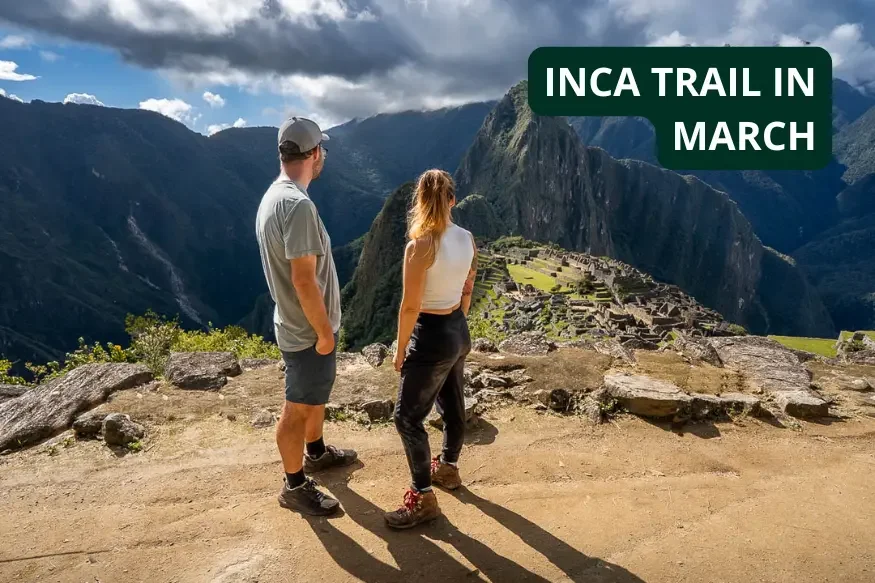
The Inca Trail in March is a unique time of the year to experience this legendary trek. March marks the end of the rainy season in Cusco and the reopening of the Classic Inca Trail, which is closed every February for annual maintenance. For many travelers, this month is one of the best-kept secrets for hiking to Machu Picchu, with fewer crowds, lush green landscapes, and a mystical atmosphere.
In this guide, we’ll explore everything you need to know about the Inca Trail in March: weather, permits, availability, pros and cons, what to pack, and essential tips for making the most of your adventure.
Weather on the Inca Trail in March
March is a transition month in the Andes, as the heavy rains of January and February start to decrease.
Rainfall: Showers are still common, but less intense than in peak rainy season. Mornings are often clearer, while afternoons may bring rain.
Temperature (Day): 15°C to 20°C (59°F–68°F).
Temperature (Night): 6°C to 8°C (43°F–46°F).
Humidity: Moderate to high, trails may still be muddy in places.
Visibility: Clouds and mist are frequent, but skies are often clearer than in January–February.
✅ Verdict: The Inca Trail in March is wetter than in the dry season but offers vibrant green scenery and fewer tourists.
Is March a Good Time to Hike the Inca Trail?
Yes! March is one of the best months to experience the trail without the massive crowds of peak season.
Advantages of Hiking in March
Reopening of the Trail: After the February closure, the Inca Trail is freshly maintained.
Fewer Crowds: March is shoulder season, meaning smaller groups compared to June–August.
Beautiful Scenery: Valleys and mountains are lush and green.
Good Permit Availability: Easier to secure compared to high season.
Comfortable Temperatures: Nights are warmer than in dry season months.
Disadvantages of Hiking in March
Rain Showers: You’ll likely get wet at least once.
Muddy Trails: Some sections may be slippery.
Less Predictable Weather: Clear mornings, rainy afternoons.
Inca Trail Permits in March
Permits are required to hike the Classic Inca Trail (4 days / 3 nights).
Daily Limit: 500 permits, including guides and porters.
Availability in March: Easier to book than in peak season, but still best to reserve 3–4 months in advance.
Booking: Only licensed tour operators can arrange permits. Independent trekking is not allowed.
If permits are sold out, consider the Short Inca Trail (2 days) or alternative treks such as Salkantay or Lares.
Difficulty of the Inca Trail in March
The Inca Trail is moderate to challenging year-round, but in March trekkers should be prepared for wet and slippery conditions.
Total Distance: 42 km (26 miles)
Highest Point: Dead Woman’s Pass at 4,215 m (13,828 ft)
Daily Hiking: 6–9 hours per day
Main Challenge: Altitude combined with muddy trails
✅ With proper preparation and waterproof gear, the trek is very doable.
What to Pack for the Inca Trail in March
Clothing
Waterproof hiking boots with good grip
Rain jacket and poncho
Quick-dry shirts and pants
Fleece or down jacket for evenings
Thermal layers for higher camps
Hat and gloves for cold mornings
Gear
Backpack cover and dry bags
Trekking poles (essential for slippery trails)
Sleeping bag rated for -5°C (can be rented in Cusco)
Headlamp with spare batteries
Reusable water bottle or hydration pack
Essentials
Sunscreen and sunglasses (UV is strong even with clouds)
Insect repellent
Snacks: nuts, chocolate, protein bars
Personal medication and altitude remedies
Highlights of the Inca Trail in March
Even in the rainy season, the Inca Trail in March offers breathtaking archaeological sites and landscapes:
Patallacta (Llactapata): Terraced ruins near the start of the trail.
Dead Woman’s Pass (Warmiwañusca): The highest and toughest section at 4,215 m.
Runkurakay: A circular Inca lookout post.
Sayacmarca: The “Inaccessible Town” built on a cliff.
Phuyupatamarca: The “Town Above the Clouds,” with ceremonial fountains.
Wiñay Wayna: One of the most beautiful ruins, with terraces and ritual baths.
Sun Gate (Inti Punku): The dramatic entrance to Machu Picchu.
Machu Picchu: The crown jewel of the trek, revealed after 4 days of hiking.
Tours for the Inca Trail in March
Classic Inca Trail (4 Days / 3 Nights)
The most famous trek to Machu Picchu.
Short Inca Trail (2 Days / 1 Night)
Starts at Km 104, includes Wiñay Wayna and Sun Gate. Easier option for March weather.
Alternative Treks in March
If you prefer less rain exposure:
Lares Trek (4 days): Focuses on Andean communities and culture.
Salkantay Trek (5 days): Scenic, with mountains and jungle (can still be rainy).
Choquequirao Trek (4 days): Remote and challenging, better for experienced trekkers.
Accommodation on the Inca Trail
Classic Trail: Camping at designated sites (Wayllabamba, Pacaymayo, Phuyupatamarca, Wiñay Wayna). Facilities are basic.
Short Trail: Includes hotel accommodation in Aguas Calientes.
Food on the Inca Trail
Tour operators provide nourishing meals:
Breakfast: oatmeal, pancakes, eggs
Lunch: soup, rice, pasta, chicken or vegetarian options
Dinner: hearty hot meals
Snacks: tea, popcorn, biscuits
Special diets can be accommodated if requested.
Tips for Hiking the Inca Trail in March
Start Early: Mornings are drier; rain is more common in the afternoon.
Use Trekking Poles: Essential for balance on muddy trails.
Acclimatize First: Spend 2–3 days in Cusco to adjust to altitude.
Hire Porters: Wet conditions make carrying heavy loads harder.
Bring Waterproof Gear: Dry bags, ponchos, and good boots are musts.
Stay Flexible: Weather may affect schedules; patience is key.
FAQs – Inca Trail in March
Is the Inca Trail open in March?
Yes, the trail reopens after February’s closure for maintenance.
How rainy is March?
Still rainy, but less than January–February. Showers are common, but manageable.
Are permits easier to get in March?
Yes, availability is better than peak season, but still book in advance.
Is March good for photography?
Yes. Green valleys and misty ruins create unique, atmospheric photos.
What is the hardest part of the trail in March?
Dead Woman’s Pass remains the toughest challenge.
The Inca Trail in March is a fantastic option for trekkers who want to avoid peak crowds and enjoy lush, green landscapes. While rain is still present, the trail is freshly maintained after February’s closure and less crowded than in high season.
For those willing to embrace some showers and muddy paths, March offers a mystical atmosphere and one of the most authentic Inca Trail experiences of the year.
Whether you choose the Classic Inca Trail or the Short Inca Trail, March is a great month to hike to Machu Picchu, combining the beauty of the Andes with the spirit of adventure.