


The Dead Woman’s Pass, locally known as Warmiwañusca in Quechua, is the most famous and challenging section of the Inca Trail to Machu Picchu. Standing at an altitude of 4,215 meters (13,828 ft) above sea level, it represents the highest point of the trek. Every traveler who hikes the classic Inca Trail must conquer this steep climb, making it a rite of passage for adventurers on their way to the lost city of the Incas.
In this comprehensive guide, we’ll cover everything you need to know about Dead Woman’s Pass: its meaning, history, altitude, difficulty, how to prepare, tips for acclimatization, weather, and why reaching this point is one of the most rewarding experiences in Peru.
What is Dead Woman’s Pass?
Dead Woman’s Pass is the nickname given to the highest mountain pass on the Classic Inca Trail. It is located on the second day of the trek, between the campsites of Wayllabamba and Pacaymayo.
The pass is officially called Warmiwañusca, a Quechua word that translates to “Dead Woman.” This name comes from the silhouette of the surrounding mountains, which resemble the figure of a woman lying on her back.
Despite its intimidating name, Dead Woman’s Pass is not dangerous. It is challenging due to its steep ascent and high altitude, but thousands of trekkers complete it successfully every year.
The Location of Dead Woman’s Pass
Trek: Classic 4-Day Inca Trail
Altitude: 4,215 m / 13,828 ft
Distance from Cusco: ~25 km northeast
Trail Section: Between Wayllabamba (first campsite) and Pacaymayo (second campsite)
Climb Distance: ~4 km (2.5 miles) uphill from Wayllabamba
Altitude of Dead Woman’s Pass
At 4,215 m (13,828 ft), Dead Woman’s Pass is higher than Cusco (3,400 m / 11,155 ft) and Machu Picchu (2,430 m / 7,972 ft).
Because of the altitude, many trekkers experience shortness of breath and fatigue. Symptoms of altitude sickness (soroche) may appear if proper acclimatization is not done beforehand.
The Meaning of “Dead Woman’s Pass”
The pass’s Quechua name Warmiwañusca literally means “Dead Woman.” The surrounding peaks form the shape of a reclining woman, with her head, chest, and body clearly visible from certain viewpoints.
Legends say that ancient travelers named it after this silhouette, giving the pass a mystical aura. Today, it stands as both a physical and symbolic challenge on the road to Machu Picchu.
Hiking Dead Woman’s Pass – What to Expect

Day 2 of the Inca Trail
The climb to Dead Woman’s Pass takes place on the second day of the Classic Inca Trail, often described as the hardest but also the most rewarding day.
Start Point: Wayllabamba campsite (3,000 m / 9,842 ft)
Ascent: Steep climb of ~1,200 m (3,900 ft)
Duration: 4–6 hours of continuous uphill hiking
Trail Conditions: Stone steps, dirt paths, and switchbacks
The Climb
The trail zigzags steeply uphill. You’ll pass through high-altitude forests and grasslands known as puna, with wide-open landscapes.
The Summit
Reaching the pass is an emotional moment. The panoramic views are breathtaking, and trekkers often celebrate together, taking photos at the iconic signpost marking the altitude.
The Descent
After a break, the trail continues downhill for ~2 hours to Pacaymayo campsite (3,600 m / 11,811 ft). This section can be tough on knees, making trekking poles essential.
Weather at Dead Woman’s Pass
The weather can be unpredictable due to the altitude.
Dry Season (May–October): Clear skies, cold nights (down to -5°C / 23°F), little rain.
Rainy Season (November–March): Higher chance of rain and cloud cover, but greener landscapes.
October & April (Shoulder Months): Mix of sun and occasional showers.
Always be prepared for sudden changes — it’s possible to experience sun, rain, wind, and fog all in one day.
How Difficult is Dead Woman’s Pass?
Difficulty Level: Challenging
The climb is tough because of:
Steep Ascent: 4–6 hours of continuous uphill trekking.
High Altitude: Oxygen levels are about 40% lower than at sea level.
Temperature Changes: Hot during the climb, cold at the top.
However, with preparation and acclimatization, most hikers can complete it. It’s not a technical climb — just physically demanding.
Tips to Conquer Dead Woman’s Pass
Acclimatize in Cusco: Spend 2–3 days in Cusco or the Sacred Valley before starting the Inca Trail.
Train in Advance: Cardio, hiking, and stair climbing help prepare your body.
Pace Yourself: Walk slowly, breathe deeply, and take short breaks.
Use Trekking Poles: Reduce strain on knees and give balance on the ascent and descent.
Stay Hydrated: Drink plenty of water and avoid alcohol before the trek.
Coca Leaves & Tea: Traditional remedies to ease altitude discomfort.
Proper Gear: Waterproof boots, layers, gloves, and a warm hat for the summit.
Packing List for Dead Woman’s Pass
Clothing: Quick-dry pants, thermal base layers, fleece jacket, waterproof shell, gloves, warm hat.
Gear: Trekking poles, backpack cover, reusable water bottle, snacks (nuts, chocolate, energy bars).
Sleeping Bag: Warm (rated to -5°C).
Footwear: Sturdy hiking boots with ankle support.
Wildlife and Scenery at Dead Woman’s Pass
As you ascend, vegetation changes dramatically:
Lower Slopes: Polylepis forests, orchids, hummingbirds.
Mid-Level: Grassy puna landscapes, llamas, and alpacas grazing.
High Altitude: Barren landscapes with sweeping Andean views.
The contrast between lush valleys and rugged mountain peaks makes this one of the most scenic parts of the Inca Trail.
Common Questions about Dead Woman’s Pass
Is Dead Woman’s Pass dangerous?
No. The challenge is altitude and effort, not technical climbing.
Can beginners hike it?
Yes, with good preparation and a guide. Many first-time trekkers complete it.
How long does it take to reach the top?
On average, 4–6 hours from Wayllabamba campsite.
What happens if I get altitude sickness?
Guides carry oxygen and first aid. In serious cases, evacuation to Cusco is arranged.
Is the view worth it?
Absolutely. The summit offers some of the best views of the entire Inca Trail.
Dead Woman’s Pass and Inca Culture
For the Incas, mountain passes were sacred places, often associated with Apus (mountain spirits). Crossing Warmiwañusca would have been seen as a spiritual journey as much as a physical one. Even today, many local guides and communities view the pass with reverence, sometimes leaving small offerings to Pachamama.
Why Dead Woman’s Pass is the Heart of the Inca Trail
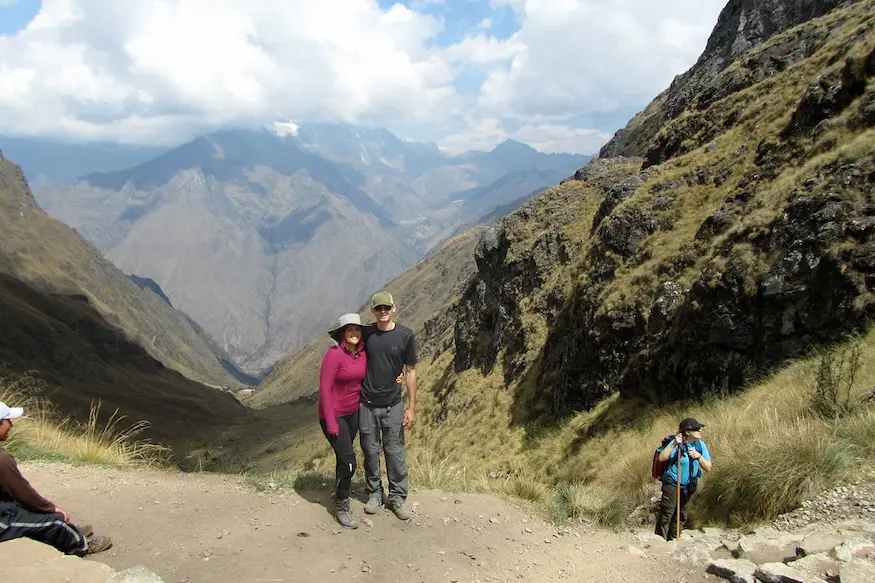
Dead Woman’s Pass is more than just the highest point. It symbolizes the challenge and reward of the Inca Trail:
A physical test of endurance
A spiritual connection with the Andes
A breathtaking moment of triumph before continuing to Machu Picchu
For many trekkers, standing at 4,215 m is the highlight of their entire Peru journey.
The Dead Woman’s Pass (Warmiwañusca) is the most iconic and demanding part of the Inca Trail. Rising to 4,215 m (13,828 ft), it challenges every trekker with steep ascents and thin air, but rewards them with unforgettable views and a sense of accomplishment.
Whether you hike in the dry season or during the greener months, conquering Dead Woman’s Pass is a once-in-a-lifetime experience — a true gateway to Machu Picchu and a connection to the spirit of the Andes.
Visiting Machu Picchu is magical, but crossing Dead Woman’s Pass is the moment where you’ll feel like you truly earned it.