

Lares Trek in March
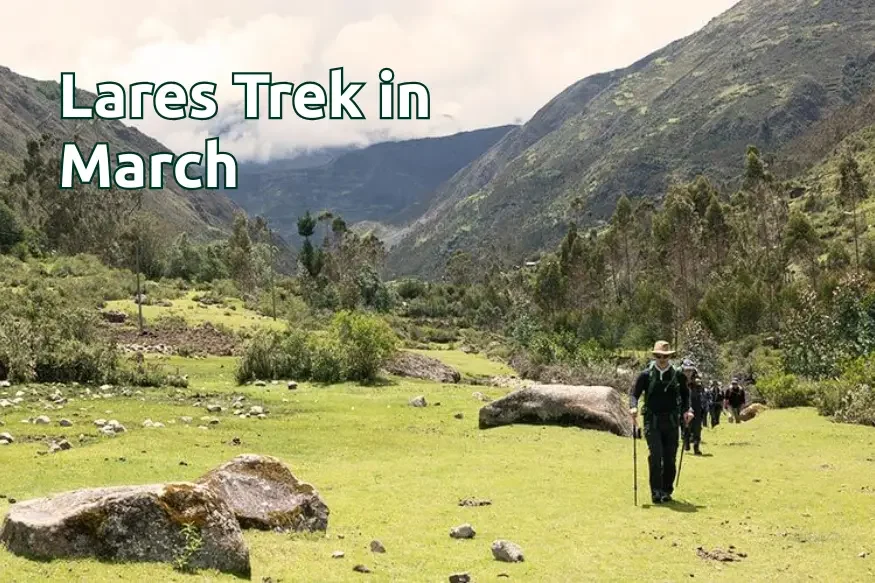
If you’re planning to hike the Lares Trek in March, you’re choosing a fascinating transition month in the Peruvian Andes. March marks the end of the rainy season and the beginning of brighter, clearer days — an ideal balance between lush landscapes and improving weather.
The Lares Trek is one of the most authentic and cultural routes to Machu Picchu, crossing Andean valleys, high mountain passes, traditional Quechua villages, and natural hot springs. Unlike the Classic Inca Trail, this route doesn’t require limited permits, meaning you’ll enjoy more flexibility and fewer crowds.
In this complete guide, you’ll learn everything you need for your March trek: weather, conditions, itinerary, gear, pros and cons, and expert tips to make your adventure unforgettable.
Why Choose Lares Trek in March?
Transition from Rainy to Dry Season
March is the turning point between the rainy and dry seasons in the Andes. The heaviest rains of January and February start to fade, leaving behind crystal-clear air, vivid green valleys, and powerful waterfalls.
The weather is improving, but the landscapes still carry that lush, tropical freshness that disappears by May.
Advantages of March
Greener landscapes: The valleys are full of life after months of rainfall.
Less crowded: Tourism is still quiet after the rainy season.
Good balance of weather: Showers are shorter, mornings clearer, and temperatures mild.
Flexible bookings: Easier to secure tours and train tickets to Machu Picchu.
Ideal for photographers: Mist, clouds, and sun alternate for dramatic lighting.
Challenges of March
Some afternoon showers still occur — pack rain gear.
The trail may still have muddy or slippery sections.
Weather can be unpredictable: sunny mornings and sudden rain later.
Weather and Trail Conditions in March
Rain and Humidity
March still falls within the tail end of the wet season, so occasional rain is expected. However, compared to February, rainfall drops significantly.
You can expect:
Shorter rain showers (mostly in the afternoon).
Cloudy mornings, often followed by clear skies.
Lush and clean air, perfect for trekking and photography.
Temperature
Daytime: 15–20 °C (59–68 °F).
Nighttime: 0–5 °C (32–41 °F) in higher camps.
High passes: Wind can make it feel colder, especially above 4,200 m.
Because of the mix of sun, clouds, and altitude, layering your clothing is essential.
Trail and Scenery
March offers some of the best landscapes of the year — waterfalls, emerald valleys, and wildflowers everywhere. The trails may still be wet, especially at river crossings, but conditions are improving rapidly.
Visibility is generally good, though morning mist and afternoon rainbows are common.
Pros and Cons of Trekking the Lares Route in March
| Pros | Cons |
|---|---|
| Fewer tourists and peaceful trekking | Occasional rain showers |
| Vibrant, green landscapes | Some muddy or slippery sections |
| Ideal temperature range for hiking | Variable weather conditions |
| Easier to book and less crowded Machu Picchu | Nights can still be cold |
| Local life in full swing after rainy season | Slight risk of transport delays due to residual rains |
Packing List for the Lares Trek in March
Clothing
Waterproof jacket and pants (essential).
Quick-dry shirts and trousers.
Warm fleece or down jacket for cold nights.
Waterproof hiking boots with good grip.
Warm hat, gloves, scarf, and extra socks.
Rain poncho or backpack cover.
Gear
Trekking poles with rubber tips.
Sleeping bag rated to at least –5 °C.
Waterproof backpack liners or dry bags.
Reusable water bottle or hydration system.
Flashlight or headlamp.
Energy snacks and electrolytes.
Personal Care
Sunscreen and sunglasses (UV is strong even under clouds).
Insect repellent.
First-aid kit and altitude medicine.
Hand sanitizer and personal toiletries.
How to Prepare for the Lares Trek in March
Acclimatization
Spend at least 2 days in Cusco or the Sacred Valley before starting the trek. Altitude can reach 4,400 m, so it’s important to give your body time to adapt.
Training
While the Lares Trek is moderate in difficulty, altitude and rain can make it tougher.
Practice walking 10–15 km with elevation gain.
Train your legs and stamina with light cardio.
Choose a Reliable Operator
Make sure your tour company:
Provides quality waterproof camping gear.
Has experienced guides familiar with wet-season trekking.
Includes horses or porters for your luggage.
Follows sustainable and community-based tourism practices.
How March Compares to Other Months
| Month | Weather | Crowds | Highlights |
|---|---|---|---|
| January | Heavy rain | Very low | Green valleys, solitude |
| February | Wettest month | Very low | Vibrant, quiet landscapes |
| March | Rain easing | Low | Green + clearer skies |
| April | Mild, clear | Medium | Perfect balance month |
| May–August | Dry, cool | High | Peak trekking season |
| September–November | Mild, warm | Medium | Colorful flowers, great weather |
| December | Rain begins | Medium | Lush start of wet season |
Tips for Hiking the Lares Trek in March
Start early: Mornings are usually clear; rain tends to fall in the afternoon.
Keep electronics protected: Use dry bags or zip-locks for cameras and phones.
Bring sandals or water shoes: For crossing small streams.
Carry cash: Many communities don’t accept cards.
Respect locals: Always ask before taking photos of people or property.
Stay flexible: Weather can change fast; follow your guide’s advice.
Frequently Asked Questions
Is the Lares Trek open in March?
Yes, the Lares Trek is open year-round, including March.
How difficult is it?
Moderate to challenging — mostly due to altitude and some wet terrain.
Do I need a permit?
No special permit is required, but you’ll need Machu Picchu entrance and train tickets.
Will I still visit Machu Picchu?
Yes. Most itineraries include the train ride to Aguas Calientes and a guided tour of Machu Picchu.
Can rain cancel the trek?
Rarely. Only extreme weather could cause transport delays or campsite changes.
Is March a good time for photos?
Yes — lush scenery, moody clouds, and occasional rainbows make for incredible photography.
The Lares Trek in March offers one of the most beautiful and balanced trekking experiences in the Andes. As the rains fade and the valleys bloom, you’ll witness Peru at its most vibrant — without the crowds of the dry season.
Yes, you’ll need rain gear and patience with the weather, but you’ll be rewarded with solitude, color, and a deeper connection with the Andean culture.
If you dream of hiking to Machu Picchu through living villages, surrounded by green mountains, March might be the perfect month for your Lares adventure.
So lace up your boots, pack your poncho, and get ready to experience the Andes alive with color, clouds, and culture.