


The Inca Trail to Machu Picchu is not only one of the most famous treks in the world, but also a living museum of ancient ruins hidden in the Andes. Along the path, hikers discover Inca Trail ruins that showcase the brilliance of Inca engineering, spirituality, and architecture.
From lookout posts and ceremonial centers to agricultural terraces and religious shrines, each ruin tells part of the story of the Inca Empire and its road to Machu Picchu.
In this guide, we’ll explore the most important Inca Trail ruins: Runkurakay, Sayacmarca, Phuyupatamarca, Wiñay Wayna, and the Sun Gate (Inti Punku).
Why the Inca Trail Ruins Are Important
The Inca Trail was part of the larger Qhapaq Ñan, the royal Inca road system that stretched more than 30,000 km across South America. The ruins along the trail were built as:
Lookout posts for defense and communication.
Resting places (tambos) for travelers, nobles, and messengers.
Religious and ceremonial centers dedicated to nature and the gods.
Agricultural terraces for food production and experimentation.
Today, these sites remain as silent witnesses of the power, spirituality, and vision of the Inca civilization.
Day 1 – From Cusco to Wayllabamba
Kilometer 82 (Start Point)
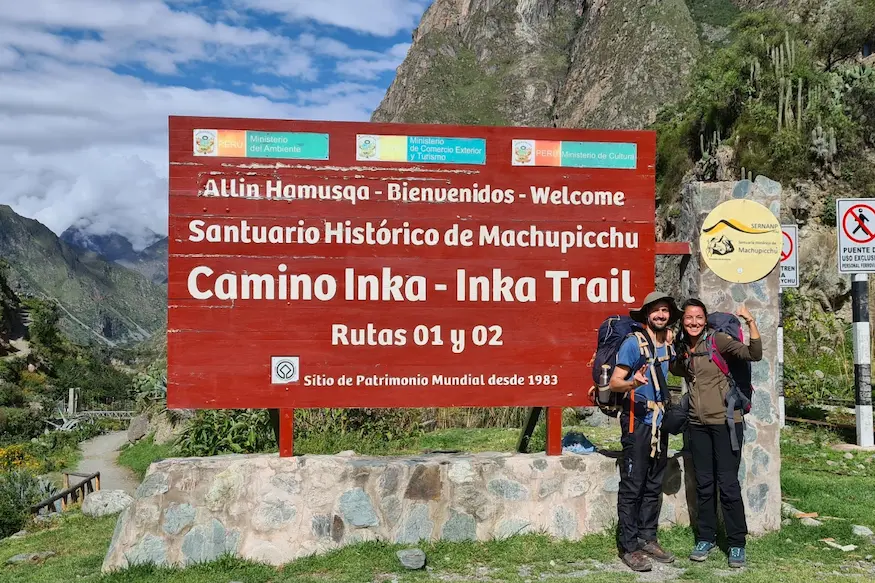
The official starting point of the Inca Trail.
Scenic views of the Vilcanota River and the surrounding mountains.
Patallacta (Llactapata)

The first major ruin on the trail.
A large agricultural settlement with terraces and houses.
Served as a checkpoint and food supply station for Machu Picchu.
Wayllabamba (First Campsite)

A small village and campsite surrounded by nature.
Used as the first resting point before ascending into higher altitudes.
Day 2 – The Challenge of Dead Woman’s Pass
Llulluchapampa
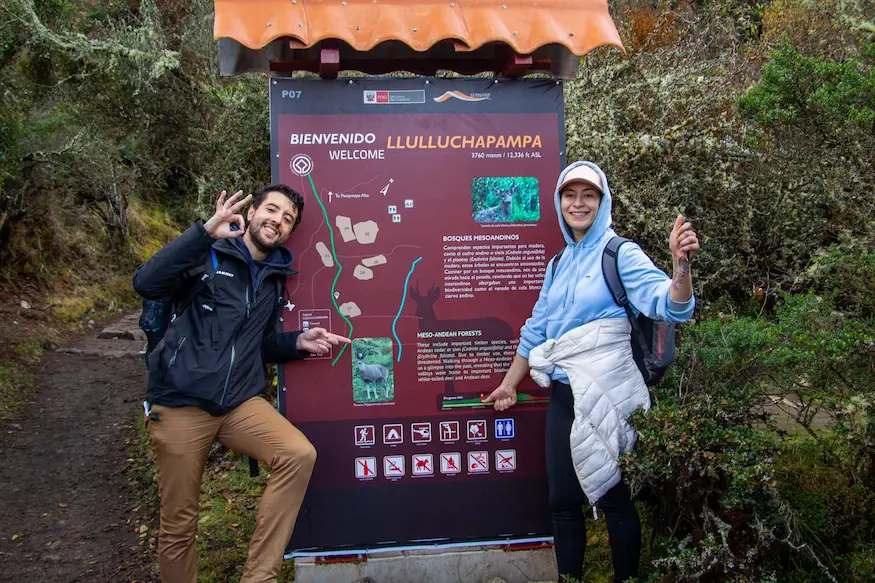
A scenic meadow used as a resting spot.
Surrounded by polylepis forest and Andean wildlife.
Dead Woman’s Pass (Warmiwañusca)

The highest point of the Inca Trail at 4,215 m (13,828 ft).
Famous for its demanding ascent and spectacular panoramic views.
Pacaymayo (Second Campsite)

Campsite located in a valley with beautiful streams.
A place to recover after the hardest day of the trek.
Day 3 – The Day of Ruins
This is considered the most archaeologically rich day of the Inca Trail, where trekkers encounter several important sites.
Runkurakay
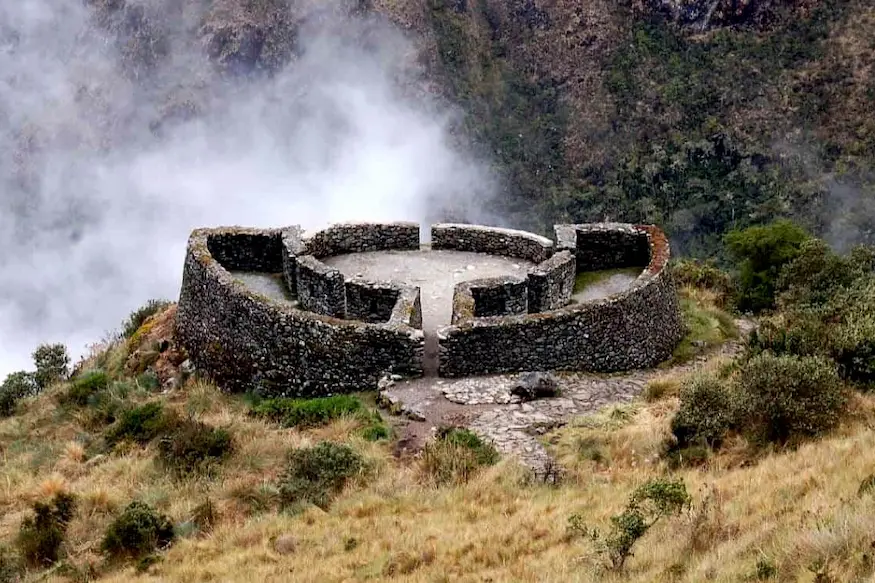
A circular ruin believed to be a watchtower and resting post (tambo).
Provides views over valleys and nearby trails.
Runkurakay Pass
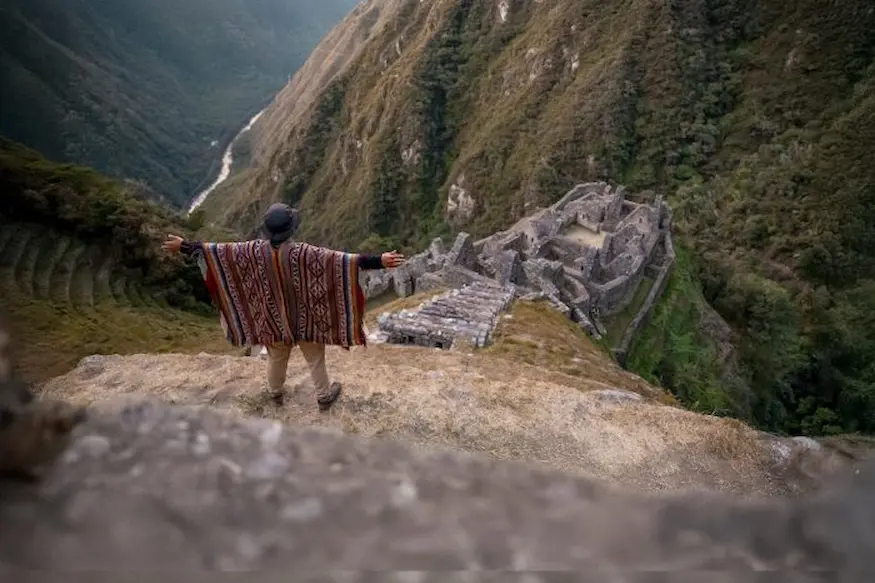
Second highest pass of the trek (3,950 m / 12,959 ft).
Stunning views of the Vilcabamba mountain range.
Sayacmarca
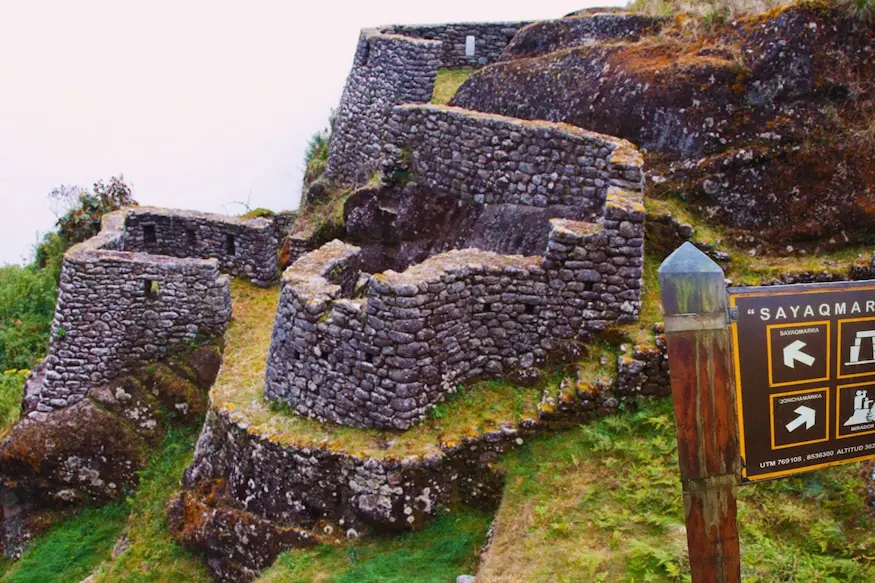
Known as the “Inaccessible Town.”
Built on a steep cliff, with plazas, houses, and ceremonial areas.
Shrouded in mist, giving it a mystical appearance.
Conchamarca (Chaquicocha)
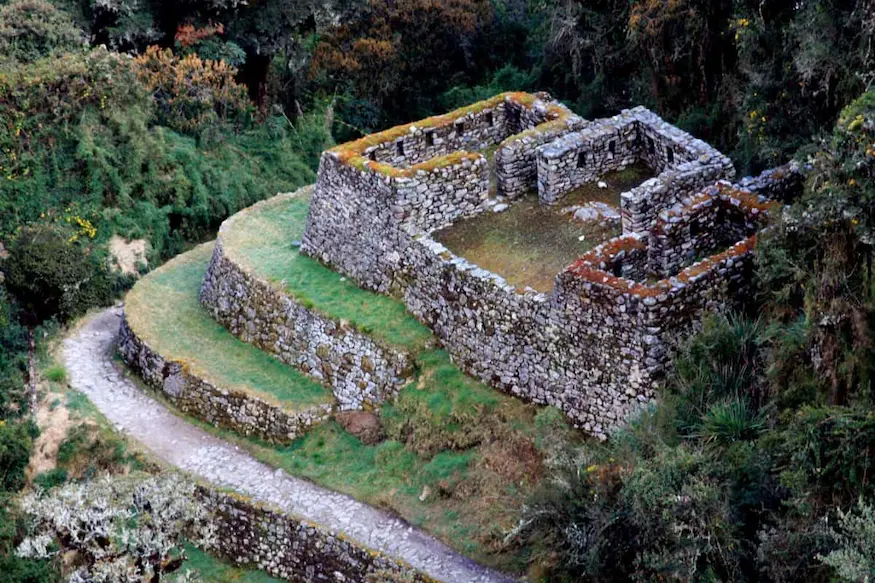
Small settlement believed to be a resting point for travelers.
Located near a lagoon, with scenic surroundings.
Phuyupatamarca
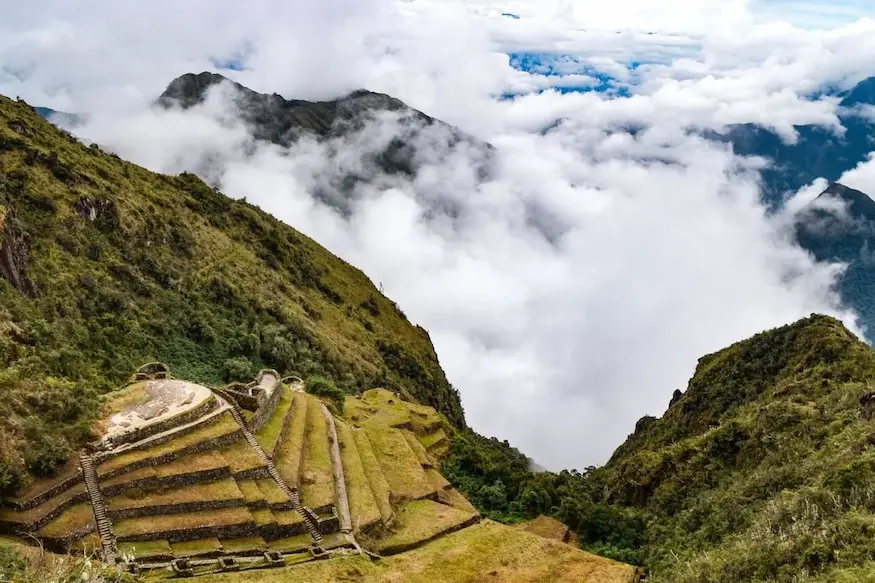
The “Town Above the Clouds” at 3,600 m.
Known for its ceremonial baths, fountains, and agricultural terraces.
Believed to have astronomical and religious importance.
Intipata

A lesser-known but impressive set of agricultural terraces.
Possibly used to grow crops to feed Machu Picchu residents.
Wiñay Wayna
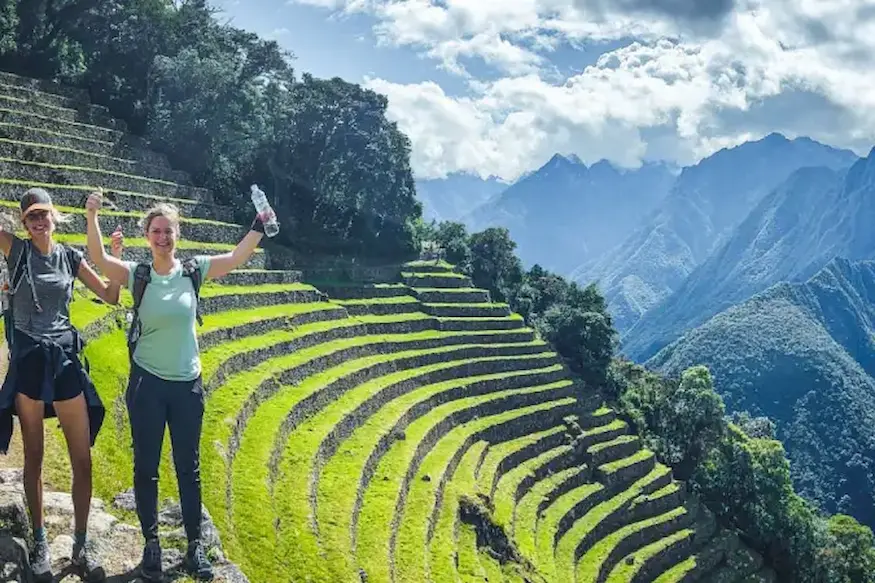
One of the most beautiful Inca Trail ruins.
Meaning “Forever Young” in Quechua.
Features terraces, ritual baths, and ceremonial buildings.
Served as the last checkpoint before reaching Machu Picchu.
Wiñay Wayna Campsite
The final campsite on the Inca Trail.
Located right next to the ruins, offering one of the most magical camping experiences.
Day 4 – Arrival at Machu Picchu
Sun Gate (Inti Punku)

The ceremonial entrance to Machu Picchu.
Perfect alignment with the sun during the solstices.
Offers the first unforgettable view of Machu Picchu at dawn.
Machu Picchu
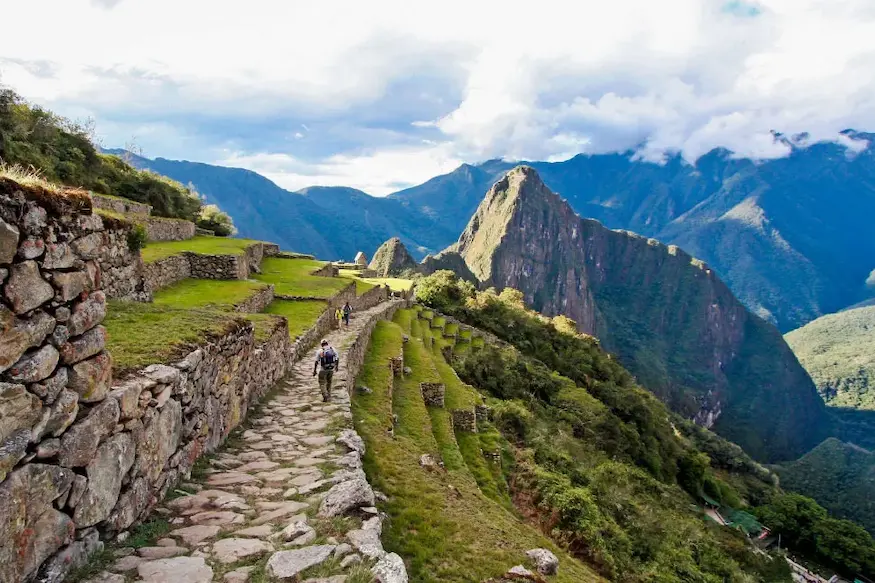
- The crown jewel of the Inca Trail.
One of the New Seven Wonders of the World and a UNESCO World Heritage Site.
The culmination of the Inca Trail, where trekkers enjoy a guided tour through temples, terraces, plazas, and royal structures.
Summary of All Inca Trail Ruins and Sites
Here’s a quick recap of the main places you’ll see during the 4 days:
Day 1: Patallacta, Wayllabamba
Day 2: Llulluchapampa, Dead Woman’s Pass, Pacaymayo
Day 3: Runkurakay, Sayacmarca, Conchamarca, Phuyupatamarca, Intipata, Wiñay Wayna
Day 4: Sun Gate (Inti Punku), Machu Picchu
Why the Inca Trail Ruins Are Special
The ruins along the Inca Trail offer more than just archaeological interest — they connect trekkers with the spiritual and cultural journey of the Incas. Unlike Machu Picchu, which is often crowded, these sites are more peaceful, allowing you to reflect and imagine life centuries ago.
Each ruin — from the circular lookout of Runkurakay to the terraces of Wiñay Wayna and the sacred entrance of the Sun Gate — prepares you mentally and spiritually for the final reward: Machu Picchu.
The Inca Trail ruins are what make the 4-day trek one of the most unique adventures in the world. Instead of just arriving at Machu Picchu by train, you walk through history, following the same paths that Inca nobles, priests, and messengers once traveled.
From Patallacta at the beginning to Machu Picchu at the end, the ruins along the trail transform the trek into a living journey through the Inca Empire’s history and spirituality.
Hiking the Inca Trail means much more than reaching a destination. It means experiencing the sacred road of the Incas, where every ruin tells a story and every step brings you closer to the heart of the Andes.