

Tambomachay Cusco – The Inca Bath of the Sacred Waters
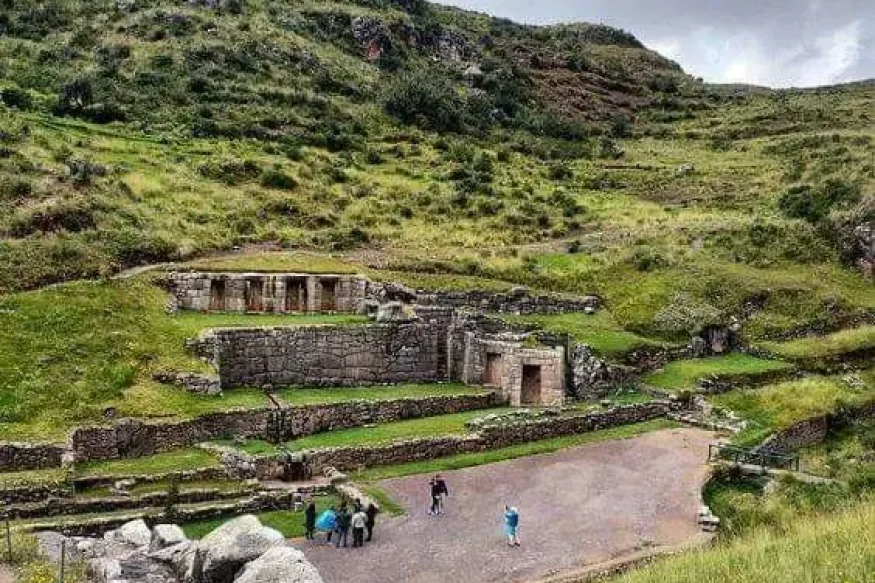
The archaeological site of Tambomachay Cusco is one of the most fascinating Inca constructions near the city of Cusco. Known as the “Bath of the Inca,” this ceremonial center is famous for its finely carved stonework, aqueducts, canals, and waterfalls that continue to flow with crystal-clear water even today.
Located just a few kilometers from Cusco, Tambomachay is often included in the Half-Day City Tour along with Sacsayhuamán, Qenqo, and Puka Pukara. For travelers interested in Inca engineering, water rituals, and Andean spirituality, Tambomachay Cusco is a must-see.
The Meaning of Tambomachay
The name Tambomachay comes from Quechua:
Tampu: lodging or resting place
Machay: cave or place of rest
It can be translated as “resting place” or “guesthouse,” but most commonly it is referred to as the Bath of the Inca, because of its water fountains and association with ritual purification.
Many scholars believe Tambomachay was not a military outpost, but rather a ceremonial center dedicated to water — a sacred element for the Incas, symbolizing life, fertility, and renewal.
History of Tambomachay Cusco
Inca Period
Tambomachay was built during the reign of Pachacutec, one of the most important Inca emperors in the 15th century. The Incas mastered the art of hydraulic engineering, and Tambomachay is one of the finest examples of this knowledge.
The continuous flow of water from underground springs into carefully carved channels suggests that Tambomachay was a place for rituals dedicated to water and fertility. Some historians also believe it served as a royal retreat for the Inca ruler, where he could rest and perform ceremonies in private.
Spanish Conquest
When the Spanish arrived, many Inca sites were destroyed or repurposed. Tambomachay, however, remained largely intact, perhaps because it was considered less strategic for the conquerors. Today, it continues to astonish visitors with its flowing water that has never stopped for centuries.
Present Day
Now, Tambomachay Cusco is part of the Sacsayhuamán Archaeological Park and is visited daily by travelers who want to admire Inca engineering and connect with the spiritual power of water.
Architecture and Main Features of Tambomachay
Tambomachay is a relatively small site, but it is rich in symbolism and architectural mastery.
Terraces and Fountains
The site consists of a series of terraces built with finely cut stones that fit perfectly together. At the center, there are ceremonial fountains where water flows continuously from underground springs.
The two main fountains are often referred to as the Inca Baths, and their symmetrical design demonstrates the high level of precision of Inca engineering.
Aqueducts and Canals
Tambomachay is famous for its aqueduct system, which channels water through stone-carved canals. These aqueducts distribute the water evenly to different fountains, proving the Incas had advanced knowledge of hydraulics.
Ritual Significance
The constant flow of water symbolizes eternal life, fertility, and purification. Priests and nobles may have performed rituals here before important ceremonies, washing themselves in the sacred waters.
Location of Tambomachay Cusco
Distance from Cusco: 7 km (approx. 20 minutes by car)
Altitude: 3,700 meters above sea level (12,139 ft)
Coordinates: Northeast of Cusco, near Puka Pukara
Tambomachay is part of the Archaeological Circuit that includes Sacsayhuamán, Qenqo, and Puka Pukara, all located along the same route.
How to Get to Tambomachay
By Tour
The most convenient way is to join a Cusco City Tour, which includes transport, a professional guide, and entrance tickets.
By Public Transport
From Cusco, take a local bus to the community of Tambo Machay (about 30 minutes). From there, it’s a short walk to the site.
By Taxi
A taxi from the city center costs between 20–30 soles and takes around 20 minutes.
On Foot
Many travelers choose to hike to Tambomachay along the Inca trails connecting the different archaeological sites around Cusco. The walk takes about 2–3 hours uphill.
Entrance to Tambomachay Cusco
To visit Tambomachay, you need the Cusco Tourist Ticket (Boleto Turístico de Cusco):
Partial Tourist Ticket (BTP): Approx. 70 soles, valid for 1 day, includes Tambomachay, Qenqo, Puka Pukara, and Sacsayhuamán.
General Tourist Ticket (BTI): Approx. 130 soles, valid for 10 days, includes 16 sites in Cusco and the Sacred Valley.
The ticket can be purchased at the entrance of any site or at official offices in Cusco.
Tours to Tambomachay Cusco
Most tours that include Tambomachay are half-day city tours.
Half-Day City Tour Itinerary (Example)
1:30 pm: Pick-up from hotel in Cusco
2:00 pm: Visit Qoricancha (Temple of the Sun)
3:00 pm – 6:00 pm: Visit Sacsayhuamán, Qenqo, Puka Pukara, and Tambomachay
6:30 pm: Return to Cusco
Private Tours
Private tours offer more flexibility, allowing you to spend more time at Tambomachay and explore at your own pace.
Hotels Near Tambomachay Cusco
Most visitors stay in Cusco city, but the proximity makes it easy to reach Tambomachay. Recommended hotels include:
Luxury
JW Marriott El Convento Cusco
Palacio del Inka, a Luxury Collection Hotel
Belmond Hotel Monasterio
Mid-Range
Casa Andina Premium Cusco
Novotel Cusco
Tierra Viva Cusco Centro
Budget
Kokopelli Hostel
Pariwana Hostel
Hostal El Triunfo
Restaurants Near Tambomachay
There are no restaurants directly at the site, but Cusco city (20 minutes away) offers excellent dining options:
Cicciolina: Tapas and creative Andean cuisine
LIMO Cocina Nikkei: Peruvian-Japanese fusion with plaza views
Tunupa Restaurant: Buffet with live music
Chicha by Gastón Acurio: Modern Peruvian cuisine by a renowned chef
Travel Tips for Visiting Tambomachay Cusco
Altitude: At 3,700 m, the site is higher than Cusco. Take it slow and stay hydrated.
Best Time to Visit: The dry season (May–October) is ideal. During the rainy season, the site is greener, but trails may be slippery.
What to Bring: Comfortable walking shoes, sunscreen, hat, light jacket, and water.
Photography: Early morning or late afternoon light is best for photos.
Respect the Site: Do not climb on the fountains or disturb the water channels.
Why Visit Tambomachay Cusco?
Because it’s more than just an archaeological site — it’s a place that reflects the Inca’s spiritual and practical genius. The combination of advanced hydraulic engineering and religious symbolism makes Tambomachay Cusco a unique destination.
Here, you can admire how the Incas respected and revered water as a sacred element, a belief still alive in Andean communities today.
The archaeological site of Tambomachay Cusco is one of the most remarkable examples of Inca hydraulic engineering and spiritual tradition. Known as the “Bath of the Inca,” it offers visitors not only a glimpse into the past but also a chance to connect with the sacred element of water.
Easily accessible from Cusco and included in most tours, Tambomachay is a perfect stop for anyone interested in history, archaeology, or spirituality. A visit here will leave you with a deeper understanding of the Inca worldview and their extraordinary respect for nature.
Visiting Tambomachay Cusco is not just about seeing ruins — it’s about experiencing a place where history, engineering, and spirituality flow together like the eternal waters of its fountains.